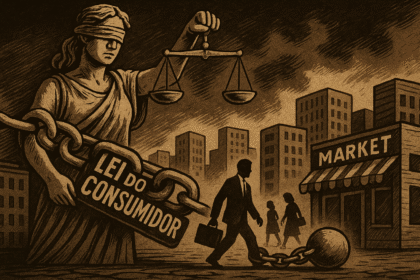
Consumer protection legislation, marketed as citizen protection, has become an instrument of economic coercion, elite protection, and a stifling of innovation. The discourse of protection has become a weapon against...
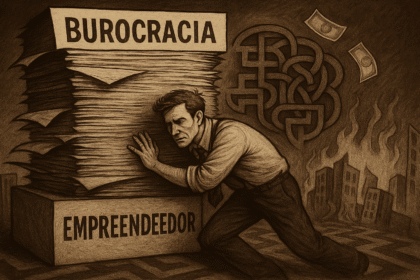
In Brazil, the entrepreneur's greatest enemy isn't competition—it's the government. Discover how bureaucracy, legal uncertainty, and the world's most complex tax system sabotage those who try to produce...

Brazil will only break stagnation with more freedom, competition and efficiency. See liberal proposals to increase productivity and transform effort into prosperity....

Series: The Productivity Trap in Brazil – Part 3 Introduction: Productivity is not imposed by decree, nor is it resolved with government slogans. It is built—and depends on—a solid foundation: ed...
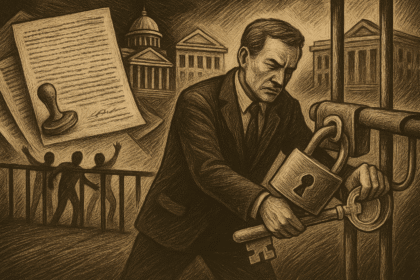
State legislation is marketed as protection, but it acts as a barrier to economic freedom. This article shows how excessive rules, taxes, and bureaucracy prevent ordinary citizens from generating wealth...
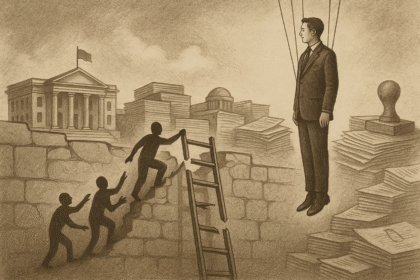
While official discourse blames the market for inequality, this article reveals how the true driver of income concentration lies within the state itself — through legal privileges, subsidies,...

Regulatory agencies promise to protect consumers, but they often become instruments of political power and privilege. This analysis reveals how regulatory capture stifles competition, b...

The Brazilian government has created an internal economy, where it contracts its own services through agreements, foundations, and state-owned companies—always with public funds. In this post, we dismantle this vicious cycle...
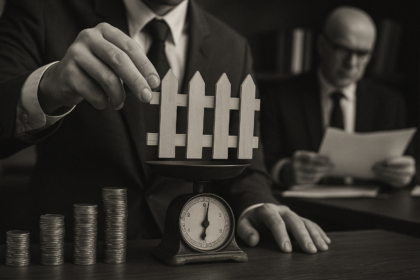
Critical post analyzing how excessive regulation, rather than protecting, inhibits innovation and concentrates economic power. It argues that bureaucracy is often used as an instrument of control, and not...
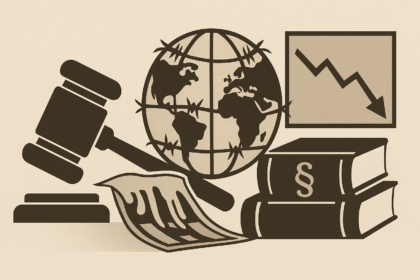
The State Against the People: When the Discourse of Protection Becomes a Weapon of Fiscal Oppression
An analytical post that denounces how the discourse of state protection serves as a justification for tax oppression and increased bureaucracy. It shows how the poorest are the most affected by a system...
 English
  Portuguese