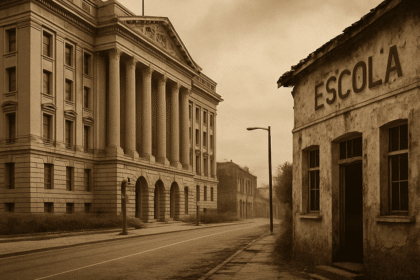
Brazil spends like a rich country, but delivers services like a poor country. This analysis reveals how the lack of administrative reform protects privileges, perpetuates inefficiency, and prevents any fiscal solution...

Regulatory agencies promise to protect consumers, but they often become instruments of political power and privilege. This analysis reveals how regulatory capture stifles competition, b...

Crises are used as excuses to expand state power, create new taxes, and restrict freedoms. This analysis reveals how the Brazilian state transforms emergencies into instruments of domination.

While the government repeats that "there's no money," lawmakers keep aid, funding, and privileges intact. This analysis shows how austerity in Brazil is selective: it cuts from the people, never from the...

Even without delivering results, the Brazilian state continues to grow: more ministries, more positions, and a larger budget. This analysis shows how inefficiency is rewarded within the state's logic—and co...
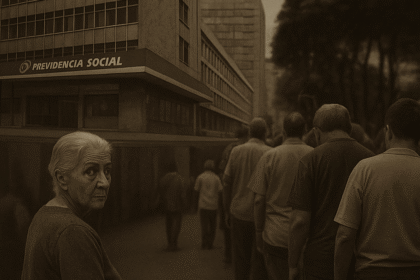
While retirees wait months for their benefits, social organizations are embezzling R$6.3 billion with state backing. The INSS waiting list doubled under the Lula administration, which promised to eliminate it. The system...

When the state decides who should win, merit disappears. In this critique, we expose how interventionism penalizes productivity, rewards inefficiency and stifles freedom....

Many politicians still treat the state as the ultimate provider, but ignore the hidden costs of intervention. This post analyzes how "social" state programs often serve private interests.

Lula and Trump share more than just populism: they both resort to the old Latin American tactic of blaming the Central Bank for their own economic mistakes. In this analysis, we compare their discourses to the...
 English
  Portuguese