
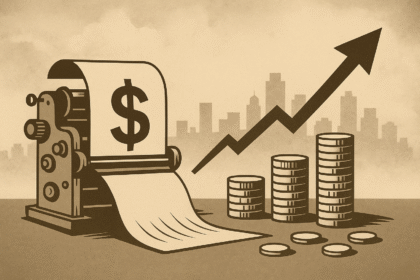
This first post in the "Printing Money" series explains what modern monetary creation really means. It demystifies the image of the state-owned printing press and reveals the mechanisms for expanding the monetary base...
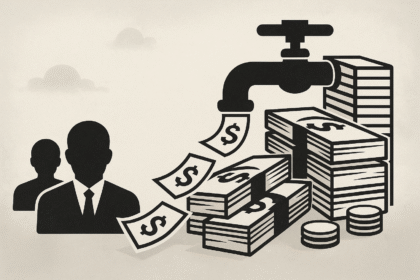
This second post in the "What Is Printing Money?" series debunks the idea that printing money benefits everyone equally. It explains the Cantillon effect, identifies the groups that benefit from the...

An analytical post that exposes inflation as a hidden tax, beneficial to the state and destructive to citizens' purchasing power. Drawing on Mises, Rothbard, and the Cantillon effect, the text dismantles the...

A critical post that exposes how the state monopoly on currency serves as a tool of domination and destruction of purchasing power. It shows that inflation is not an accident—it's a political project. ...

The post debunks the false narrative that government subsidies are instruments of social justice. Using Rubens Menin's praise of the new Minha Casa Minha Vida banner as an example, the article shows how...

High prices in Brazil aren't the fault of companies, but rather the devaluation of the real, inflation, and the tax burden. This post explains why attacking producers is a mistake—and how the real solution...

Critical post analyzing how excessive regulation, rather than protecting, inhibits innovation and concentrates economic power. It argues that bureaucracy is often used as an instrument of control, and not...

An analytical and provocative post that denounces how unemployment, far from being a side effect, is fueled by state policies themselves to justify their presence and power. The text criticizes the ci...
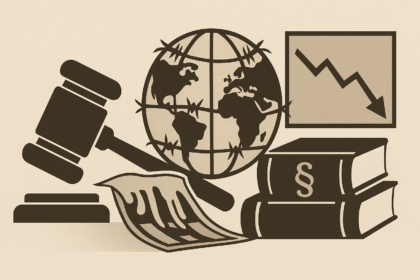
The State Against the People: When the Discourse of Protection Becomes a Weapon of Fiscal Oppression
An analytical post that denounces how the discourse of state protection serves as a justification for tax oppression and increased bureaucracy. It shows how the poorest are the most affected by a system...

A critical post that denounces inflation as a state mechanism for impoverishment and the silent expropriation of the population. It shows how the state uses monetary issuance to sustain its social structure.
 English
  Portuguese